Drug abuse is not just a personal issue—it’s a community crisis with deep roots in social, economic, and emotional challenges. While many programs aim to treat addiction after it has taken hold, Narcodex focuses on prevention, early intervention, and community empowerment. By addressing the underlying causes of substance abuse and mobilizing local leaders, families, and youth, Narcodex creates a powerful, grassroots response to a complex problem.
Understanding the Root Causes
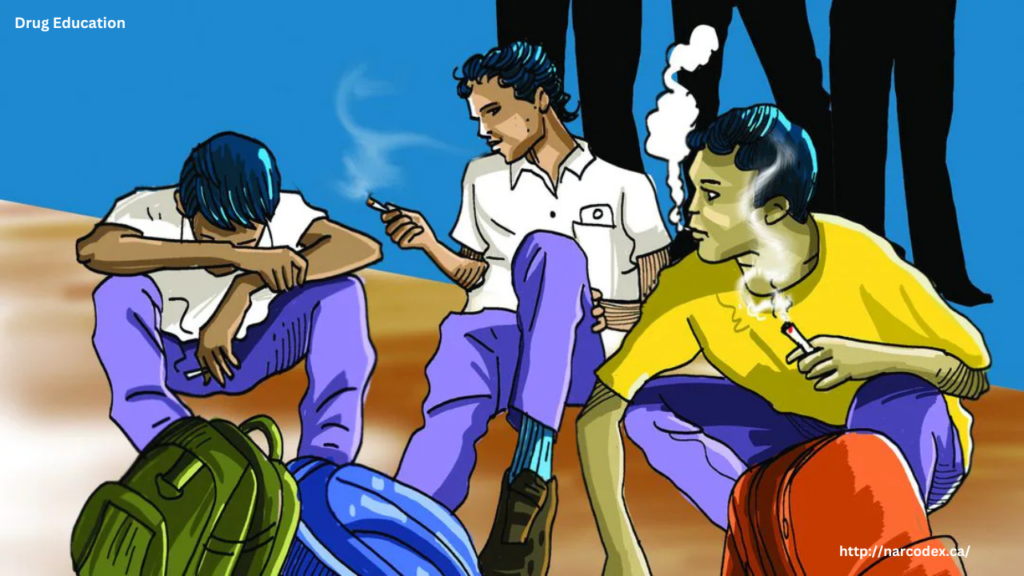
To fight drug abuse effectively, we must first understand why it begins. Substance use often stems from a mix of factors: trauma, poverty, peer pressure, mental health issues, lack of opportunity, or family instability. Rather than reacting only after addiction develops, Narcodex aims to intervene at the source, providing education, support, and alternatives before drug use becomes a coping mechanism.
This approach shifts the focus from symptoms to solutions—preventing addiction by changing the environments and systems that feed it.
Building Resilient Communities
At the heart of Narcodex’s strategy is the belief that strong communities prevent drug abuse. When people feel connected, supported, and informed, they are far less likely to turn to harmful substances. That’s why Narcodex invests in:
1. Local Leadership Development
Narcodex works closely with community leaders—teachers, faith leaders, healthcare providers, and neighborhood organizers—to equip them with the tools and training they need to lead drug prevention efforts. These leaders become trusted advocates, spreading awareness and offering guidance that resonates at the local level.
2. Youth Empowerment Programs
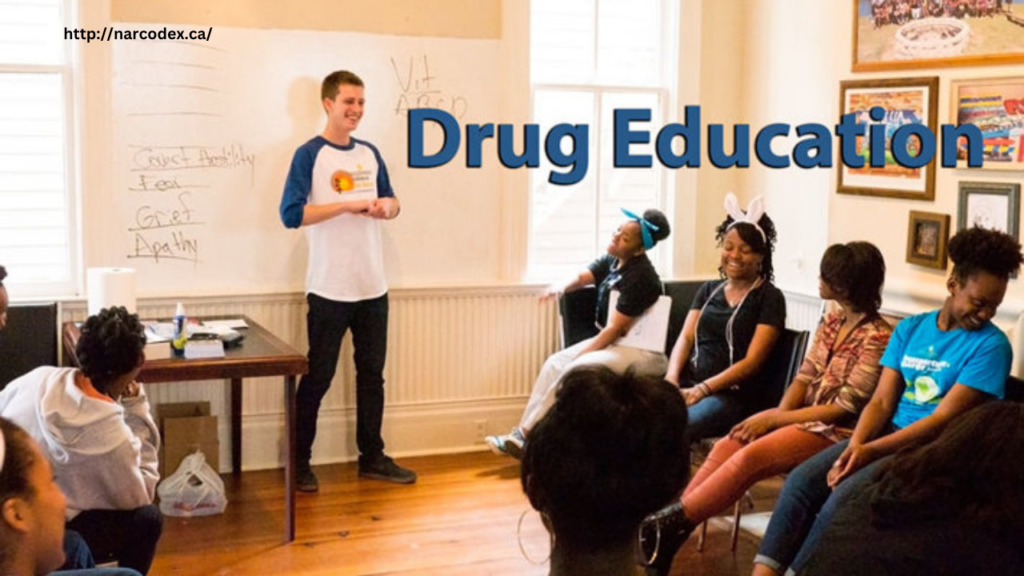
Rather than simply warning young people about drugs, Narcodex involves them in the solution. Through peer education, mentorship opportunities, and leadership training, youth are encouraged to take ownership of prevention efforts in their schools and social circles. These programs build confidence, purpose, and resilience among young people—qualities that directly reduce their vulnerability to drug abuse.
3. Family Engagement and Support
Narcodex recognizes that families play a critical role in prevention. Workshops, counseling sessions, and parenting resources help caregivers build open communication, recognize early warning signs, and create stable, drug-free home environments. Supporting families means strengthening the first line of defense against substance use.
From Awareness to Action
Community mobilization is more than organizing events—it’s about creating lasting systems of care. Narcodex connects people to real resources, including:
- Access to treatment and recovery centers
- Mental health services
- Crisis intervention teams
- Peer support groups
By ensuring these services are accessible, affordable, and stigma-free, Narcodex transforms passive awareness into proactive intervention.
Sustaining Long-Term Change
Narcodex’s model is designed for sustainability. Rather than delivering a one-time message, the organization builds partnerships, trains volunteers, and establishes ongoing programs that communities can maintain themselves. This ensures that the impact continues long after the initial campaign.
Conclusion: A Collective Response to a Collective Issue
Drug abuse doesn’t happen in isolation—and it can’t be solved in isolation. Narcodex’s community-first approach addresses the root causes of addiction and empowers people to create real change where they live. By uniting families, schools, leaders, and youth, Narcodex proves that when a community mobilizes, it can not only fight drug abuse—it can prevent it entirely.